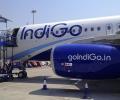
IndiGo, India's largest airline, reported a narrowed loss of Rs 1,879.1 crore in the September quarter, down from Rs 2,582.1 crore a year ago, primarily due to exceptionally high fuel costs and rupee depreciation.

Indian equity benchmark indices extended losses for a second consecutive session, with the Sensex dropping 143 points, driven by a sell-off in power, banking, and financial stocks, coupled with elevated crude oil prices and persistent FII selling.

Biocon Ltd reported a 57.3 per cent decline in consolidated net profit to Rs 56.7 crore for the September quarter of FY27, primarily due to a USD 20 million revenue recognition delay caused by geopolitical troubles, which is now expected to be booked in the third quarter.
Samsung India Electronics reported a 36 per cent decline in profit to 7,228.10 crore for the financial year ended March 31, 2026, even as its revenue from operations saw a slight increase of 1.2 per cent to 1.12 lakh crore.

Godrej Properties reported a significant 62 per cent decline in consolidated net profit to Rs 154.15 crore for the September quarter, primarily due to higher expenses, while its sales bookings also fell by 6 per cent to Rs 8,008 crore.

Tata Chemicals reported an 81 per cent decline in consolidated net profit to Rs 60 crore for the quarter ended June, primarily attributed to higher expenses, despite an increase in total income.

Indian benchmark equity indices, Sensex and Nifty, extended their winning streak for a third consecutive day, driven by sustained foreign institutional investor (FII) inflows and a dip in global crude oil prices. The Sensex closed above 81,900, while the Nifty settled near 25,300, despite mixed global cues.

An IPO can create excitement, particularly when you see a new issue attracting strong interest from investors. But popularity alone does not make an IPO suitable for every investor. Before you apply, it's crucial to scrutinise the financial performance, risk profile, and valuation of the company. Ultimately, your objective should be choosing a company that aligns with your financial goals.

'Retail investors should study IPO prospectuses, business models, financial performance and valuations instead of relying on listing-day hype.'
Tata Consultancy Services (TCS) announced a 15 per cent increase in net profit, reaching Rs 13,884 crore for the September quarter, driven by an 11.22 per cent rise in revenue from operations.
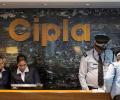
Homegrown pharma major Cipla Ltd reported a 39 per cent decline in consolidated net profit to Rs 785.55 crore in the first quarter ended June 2026, primarily due to a dip in sales in the North American market and higher expenses.

Hyundai Motor India Ltd reported a 35 per cent decline in consolidated profit after tax to Rs 888.62 crore in the first quarter ended June 30, impacted by lower revenue and higher expenses, with MD & CEO Tarun Garg noting it was a "challenging quarter".

Indian benchmark indices, Sensex and Nifty, closed higher on Thursday, breaking a three-day losing streak, driven by late buying in financial heavyweights like HDFC Bank and Axis Bank, despite persistent geopolitical tensions and crude oil prices exceeding USD 100 per barrel.
Indian stock markets, led by the Sensex and Nifty, have extended their robust rally for a fourth consecutive day, buoyed by a significant correction in crude oil prices, a resurgence of foreign institutional investor inflows, and strong domestic Q2 earnings.
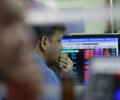
Indian benchmark equity indices, Sensex and Nifty, closed lower due to persistent geopolitical tensions in the Middle East and elevated crude oil prices, with investors remaining cautious ahead of fresh US sanctions on Iran.
IndiGo, India's largest airline, reported a net loss of Rs 238 crore for the June quarter, primarily attributed to a significant surge in fuel prices and operational constraints stemming from the West Asia conflict.

ArcelorMittal reported a significant 62 per cent year-on-year decline in its net income, reaching USD 683 million in the June 2026 quarter, despite a quarter-on-quarter increase in sales and improved performance from its Indian joint venture, AMNS India.
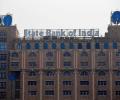
State Bank of India (SBI) reported a 6 per cent increase in standalone net profit to Rs 19,684 crore for the fourth quarter ended March 2026, driven by a significant decline in bad loans.

Indian equity benchmark indices Sensex and Nifty plummeted over 2 per cent following US President Donald Trump's declaration that the interim agreement with Iran is 'over', which led to a sharp rally in crude oil prices and heightened geopolitical tensions.
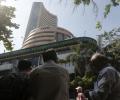
Indian benchmark indices Sensex and Nifty closed largely flat on Monday, recovering from early losses, as escalating tensions in West Asia and a sharp rally in crude oil prices weighed on investor sentiment, despite resilience in IT and consumer durables stocks.

Indian equity benchmark indices Sensex and Nifty closed lower on Thursday, driven by escalating tensions between the US and Iran, persistent foreign fund outflows, and concerns over rising US inflation.

The benchmark Sensex plummeted 813 points to a three-month low, with the Nifty settling below 23,450, as escalating tensions in West Asia drove crude oil prices above USD 100 per barrel, leading to widespread selling in IT, FMCG, financial services, and oil & gas shares.

Hyundai Motor India Ltd reported a 22.22 per cent decline in consolidated profit after tax to Rs 1,255.63 crore in the March quarter, primarily due to higher expenses, despite an increase in total revenue from operations.

Indian stock market benchmark indices closed higher, driven by strong performance in blue-chip bank shares and a positive trend in global markets, with hopes of progress in US-Iran peace negotiations also contributing to optimism.

IndiGo, India's largest airline, reported a net loss of Rs 2,536.9 crore in the March quarter of fiscal year 2025-26, primarily attributed to a significant foreign exchange loss of approximately Rs 8,100 crore, the impact of December flight disruptions, and expenses related to new labour laws.

Education sector experts agree that using the "best technology" was essential to ensure students did not have to sit for an examination all over again because of a question paper leak.

Indian equity benchmark indices experienced a significant drop in early trade, with the BSE Sensex falling over 525 points and the NSE Nifty down more than 164 points, primarily due to rising crude oil prices and ongoing uncertainty surrounding the US-Iran conflict.
Indian benchmark equity indices, Sensex and Nifty, rebounded on Wednesday, recovering intraday losses, primarily driven by strong fag-end buying and a significant rally in blue-chip Reliance Industries.

Indian equity markets experienced a significant decline in early trade, with the BSE Sensex and NSE Nifty dropping, as escalating geopolitical tensions in West Asia and a surge in global oil prices dampened investor sentiment. Track Sensex, Nifty50 movement and key market drivers for May 8, 2026.

Hindustan Unilever Ltd (HUL) reported a 3.17 per cent year-on-year decline in consolidated net profit to Rs 2,680 crore for the June quarter, even as revenue from product sales surged by 10.26 per cent to Rs 17,149 crore, marking its highest growth in 13 quarters.

Indian benchmark indices Sensex and Nifty closed lower in a volatile session due to profit-taking in banking and financial shares, despite earlier gains driven by easing geopolitical tensions. Analysts suggest investors remain cautious and are not aggressively chasing the recent rally.
Indian equity benchmarks Sensex and Nifty surged nearly 1 per cent, driven by strong earnings reports from FMCG and auto sectors, alongside a rally in Asian markets and signs of de-escalation in geopolitical tensions.
Indian benchmark stock indices, Sensex and Nifty, recorded their fourth consecutive day of declines, driven by selling in FMCG, financial, and auto sectors. The downturn is attributed to fresh tensions in the Middle East, uncertainty surrounding the US-Iran 60-day ceasefire, and elevated crude oil prices.

Shares of Avenue Supermarts, operator of DMart, fell 5.2 per cent after reporting mixed Q4 FY26 results, with brokerages offering divergent 'sell', 'buy', and 'hold' ratings based on factors like valuation, competitive intensity, and store expansion strategies.
The Securities and Exchange Board of India (Sebi) has introduced an abridged prospectus to simplify IPO disclosures, making them more accessible for investors. This concise summary will accompany detailed offer documents, providing key information in an easy-to-understand format.
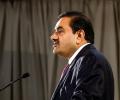
Adani group companies reported a record capital expenditure of Rs 1.53 lakh crore (USD 16.1 billion) and an all-time high EBITDA of Rs 94,834 crore (USD 10 billion) in the 2025-26 fiscal year, signalling an accelerating infrastructure expansion cycle while maintaining leverage below its stated target.

Cognizant CEO Ravi Kumar's annual compensation increased by 28 per cent to $21.5 million in 2025, while CFO Jatin Dalal's compensation dropped by 30 per cent to $7.08 million, according to a recent proxy statement.
Pharmaceutical major Cipla reported a 3 per cent year-on-year decline in March quarter revenue to Rs 6,541 crore, with net profit falling 55 per cent to Rs 554.6 crore, missing consensus estimates. Despite strong growth in India and Africa, a significant decline in North American sales impacted overall performance, with the company now focusing on new product launches and regulatory filings to drive future gains.

Companies' rent and lease expenses have seen a significant decline relative to the money they make since the pandemic.

Have you ever thought about how some investors always manage to find well-performing stocks before everyone else? They seem to have an eye for finding companies that aren't in the media but still deliver returns. These are called hidden stock opportunities, and the shortcut to finding them is all about knowing where and how to look. In this article, let's walk through some practical tips for finding these stocks in the share market.
